
Surface Laser Eye Surgery For Patients Who May Not Be Ideal For LASIK
PRK and LASEK are surface laser eye surgery procedures that reshape the cornea without creating a LASIK-style flap.
They are often discussed for patients with thinner corneas, certain lifestyle risks, dry eye considerations or where preserving corneal structure is a priority.
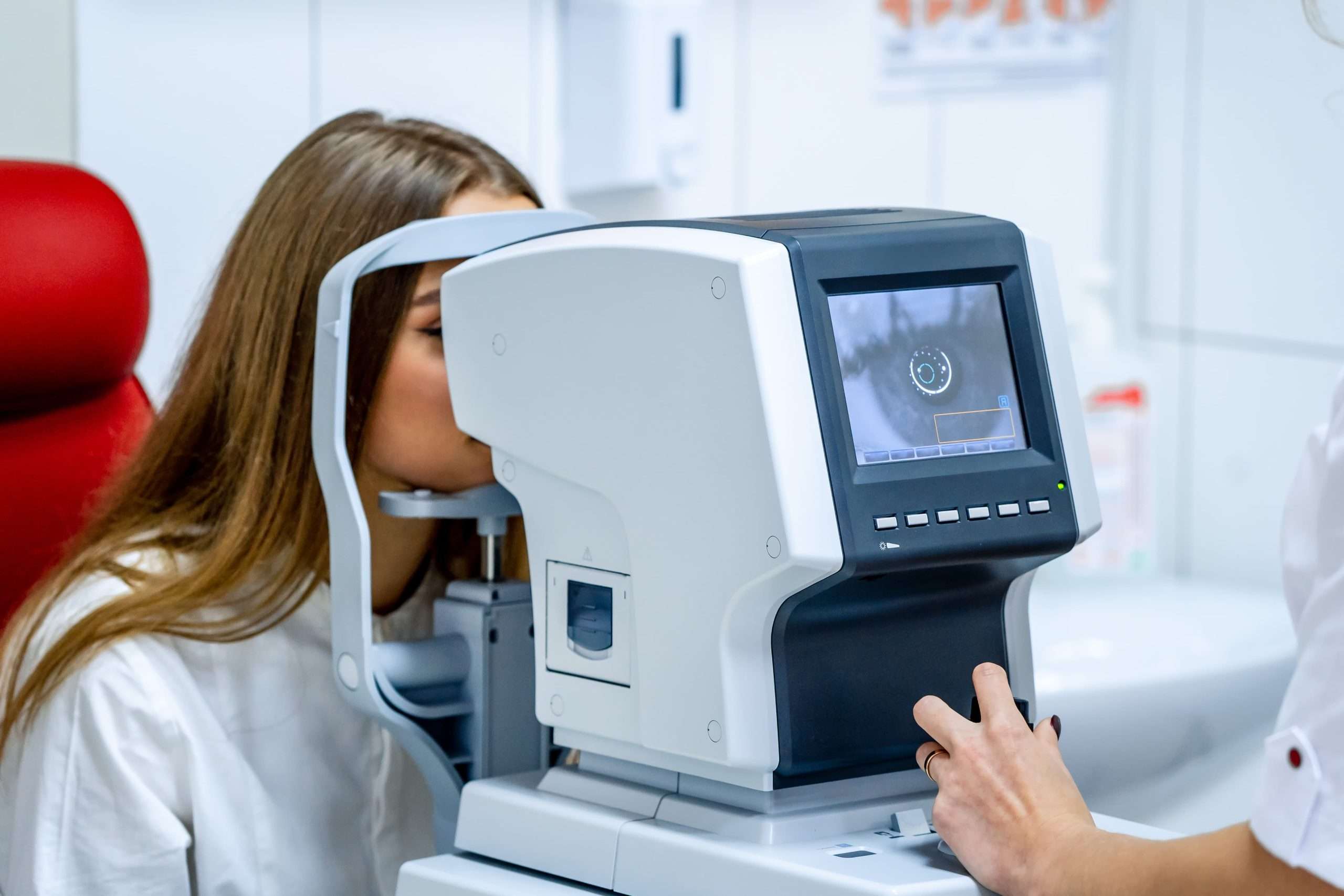
No LASIK Flap
Surface laser procedures reshape the cornea without creating a corneal flap.
Cornea-Conscious Planning
Often discussed where corneal thickness, shape or biomechanical strength matters.
Slower But Proven
Recovery is usually slower than LASIK, but PRK has a long clinical history.
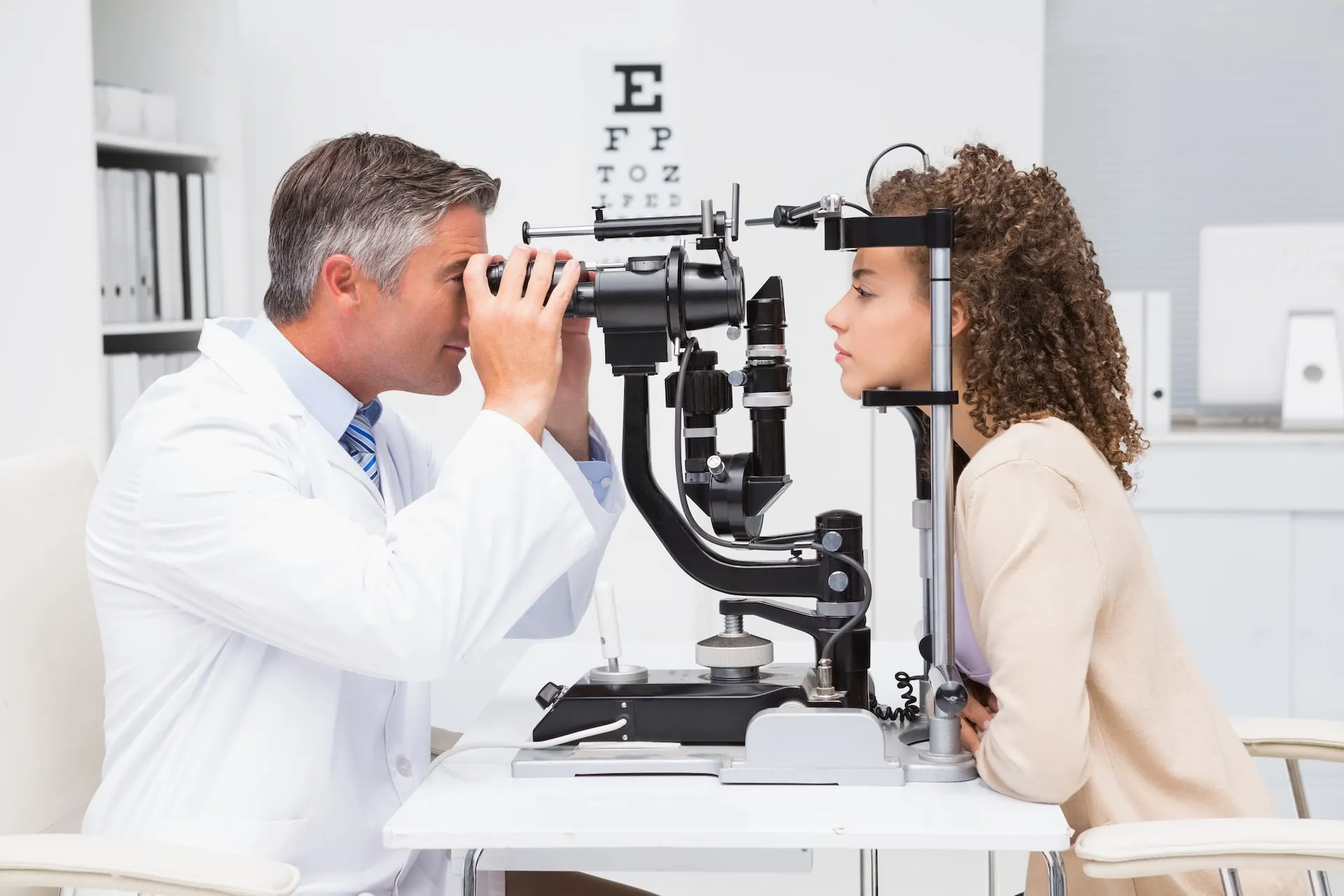
PRK And LASEK Treat The Surface Of The Cornea
PRK and LASEK belong to a group of procedures known as surface ablation. Instead of creating a flap, the surgeon treats the front surface of the cornea after temporarily removing or loosening the epithelial layer.
The epithelium is the thin outer skin-like layer of the cornea. After treatment, this layer heals naturally over several days. That healing process is why recovery is usually slower and more uncomfortable than LASIK.
The key advantage is that the deeper corneal structure is not affected by a flap. For some eyes, that can make surface laser treatment a more conservative option.
Why Surgeons Still Recommend PRK Or LASEK
PRK is older than LASIK, but that does not make it outdated. In selected patients, surface laser surgery remains clinically useful because it avoids flap creation and can preserve more structural tissue.
Thin Corneas
When corneal thickness is limited, surgeons may consider PRK or LASEK because there is no flap and tissue planning may be more conservative.
Flap Avoidance
Patients in contact sports, military-style roles or higher-impact lifestyles may prefer avoiding a LASIK flap where clinically appropriate.
Irregularity Concerns
Some corneal profiles may make flap-based treatment less suitable and require more cautious surface-based planning.
Long-Term Stability Considerations
Because surface laser avoids a flap, it may be discussed when the surgeon wants to preserve corneal biomechanical strength.
The Difference Between PRK And LASEK
PRK and LASEK are closely related, but they handle the epithelial layer differently before the laser reshapes the cornea.
In PRK, the epithelial layer is removed before treatment and then regenerates naturally. In LASEK, the surface layer is loosened and repositioned after the laser treatment.
In practice, the patient experience can be similar: no corneal flap, slower surface healing, more early discomfort than LASIK, and gradual visual improvement.
- Both are surface laser procedures
- Both avoid a LASIK-style flap
- Both require epithelial healing
- Both usually recover more slowly than LASIK

What Happens During PRK Or LASEK?
1. Numbing Drops
Local anaesthetic eye drops are usually used before treatment. Patients may feel pressure or awareness, but sharp pain should not be expected during the laser part.
2. Surface Preparation
The epithelial layer is removed or loosened depending on whether PRK or LASEK is being performed.
3. Laser Reshaping
The excimer laser reshapes the corneal surface according to the treatment plan created from diagnostic measurements.
4. Bandage Contact Lens
A protective contact lens is commonly placed while the surface layer heals. Your surgeon will advise when it is removed.
Who May Be Suitable For PRK Or LASEK?
Surface laser surgery is not a fallback for everyone. It is a deliberate choice for certain eye profiles, lifestyles and risk considerations.
Patients With Thinner Corneas
Because LASIK requires flap creation, some thinner corneas may be better assessed for surface laser treatment instead.
Active Or Contact Lifestyles
Patients involved in contact sports, martial arts, military-style activity or physical work may prefer avoiding a flap if clinically appropriate.
Stable Prescription
As with other refractive procedures, prescription stability is important before treatment is considered.
Patients Accepting Slower Recovery
PRK and LASEK may be suitable only if the patient understands the longer healing process and temporary discomfort.
Why PRK And LASEK Recovery Is Slower
Recovery is slower because the epithelial layer has to regenerate and smooth out after treatment. During this period, vision can be blurry, fluctuating and uncomfortable.
Early recovery may involve watering, grittiness, light sensitivity, foreign body sensation and discomfort. This does not automatically mean something is wrong, but your surgeon should explain what symptoms are expected and what requires urgent review.
- Early discomfort is more common than with LASIK
- Vision usually improves gradually rather than immediately
- Fluctuation can occur during epithelial healing
- Bandage contact lens use is common
- Return to work and driving timelines should be confirmed clinically
The Real Trade-Off: No Flap, But More Recovery
The advantage of surface laser is not that it is easier. It is that it can be more appropriate for certain corneas and lifestyles. The trade-off is a slower and less comfortable early recovery.
Potential Advantage
No LASIK-style flap is created, which may be useful for certain patients based on occupation, lifestyle or corneal factors.
Main Disadvantage
Recovery is typically slower and early discomfort is more common compared with LASIK.
Visual Timeline
Vision may improve gradually and fluctuate during healing before becoming more stable.
Clinical Decision
The decision should be based on diagnostics, corneal safety and patient priorities, not convenience alone.
Specific Risks And Considerations With PRK And LASEK
Surface laser procedures have a long history, but patients should understand the specific healing considerations before proceeding.
Corneal Haze
Some patients may develop temporary corneal haze during healing. Risk can vary depending on prescription, healing response and treatment plan.
Regression
Some prescriptions may partially regress during healing, meaning some correction can reduce over time.
Dry Eye Or Irritation
Dryness, irritation and fluctuating comfort can occur after surface laser surgery, particularly during early healing.
Delayed Visual Clarity
Compared with LASIK, patients should expect a slower return to clear, stable vision.
Medication Compliance
Post-operative drops are important. Steroid or anti-inflammatory drops may be prescribed to support healing and reduce inflammation.
Enhancement Possibility
Some patients may require further treatment or glasses if the final correction is not as intended.
When PRK Or LASEK May Not Be Recommended
Surface laser is not automatically suitable just because LASIK is not. A careful surgeon still needs to assess whether the cornea, prescription and eye health make treatment appropriate.
- Unstable prescription
- Suspected keratoconus or corneal weakness
- Severe dry eye or eye surface disease
- Very high prescriptions requiring excessive tissue removal
- Poor healing risk due to medical conditions or medication factors
- Unrealistic expectations about recovery or outcomes
Some patients may be better suited to SMILE, LASIK, lens replacement or no surgery at all depending on clinical findings.

PRK And LASEK vs LASIK, SMILE And Lens Replacement
Procedure choice should be based on eye measurements, age, prescription, corneal strength, dry eye risk and lifestyle.
PRK / LASEK
Surface laser options with no flap, slower recovery and more early discomfort. Often discussed for thinner corneas or flap avoidance.
LASIK
Flap-based procedure often associated with faster early recovery, but not ideal for all corneas or dry eye profiles.
SMILE
Small-incision flap-free laser procedure that may be suitable for some patients depending on prescription and measurements.
Lens Replacement
Lens-based correction often discussed for suitable patients aged 40+ or those with presbyopia or higher prescriptions.
Measurements Needed Before PRK Or LASEK
Good surface laser planning depends on accurate diagnostics. These checks help the surgeon decide whether treatment is appropriate and how conservative the plan should be.
Corneal Topography
Maps the cornea to identify irregularity, steepening or warning signs that may require caution.
Corneal Thickness
Helps determine whether there is enough tissue for treatment while maintaining safe residual structure.
Prescription Stability
Confirms whether your prescription has remained stable enough for refractive treatment to be considered.
Dry Eye Assessment
Evaluates tear film and eye surface health before planning surgery and recovery expectations.
Pupil Size
Pupil size may affect treatment planning and discussion of night vision symptoms.
Corneal Strength
The surgeon should consider structural safety, not just whether the prescription can technically be treated.
PRK & LASEK Pricing In Turkey
PRK / LASEK – Both Eyes
£1,500–£3,500
Pricing depends on prescription, diagnostics, suitability, technology and treatment planning.
Alternative Procedures
Subject To Assessment
LASIK, SMILE or lens replacement may be discussed if surface laser is not the most appropriate option.
Final suitability, procedure recommendation and pricing are confirmed after clinical assessment.
PRK & LASEK FAQ
Why would someone choose PRK instead of LASIK?
PRK may be discussed when avoiding a corneal flap is preferred or when corneal thickness, shape or lifestyle factors make LASIK less suitable.
Is PRK safer than LASIK?
Neither procedure is automatically safer for everyone. PRK avoids a flap, but has slower recovery. LASIK may recover faster but requires flap creation. Suitability depends on the individual eye.
Why is PRK recovery slower?
The epithelial surface layer has to regenerate after treatment. This healing process can cause discomfort, blurred vision and fluctuating vision during early recovery.
What is corneal haze?
Corneal haze is a healing response that can occur after surface laser surgery. The risk varies and should be discussed with the surgeon before treatment.
Can PRK treat astigmatism?
Some patients with astigmatism may be suitable for PRK or LASEK, depending on prescription, corneal shape and diagnostic assessment.
Can both eyes be treated at the same time?
This depends on surgeon preference, patient suitability and clinical planning. The treating ophthalmologist should advise what is appropriate.
Are results guaranteed?
No surgical procedure can guarantee a specific outcome. Risks, limitations, alternatives and recovery expectations should be discussed before treatment.
Do you provide medical advice?
No. Turkey Laser Guide provides general information and coordination support only. Clinical decisions are made by licensed ophthalmologists.
Considering PRK Or LASEK In Turkey?
Send your details and we will help you understand the process, the costs and what to expect — then get you booked in.