
Understanding LASIK, SMILE, PRK, LASEK And Lens Replacement
Laser vision correction includes several procedures designed to reduce dependence on glasses or contact lenses. The right option depends on your prescription, corneal shape, eye health, age and clinical assessment.
This page explains the main treatment options, how they differ, who they may suit, recovery considerations and why suitability should come before any decision to travel.
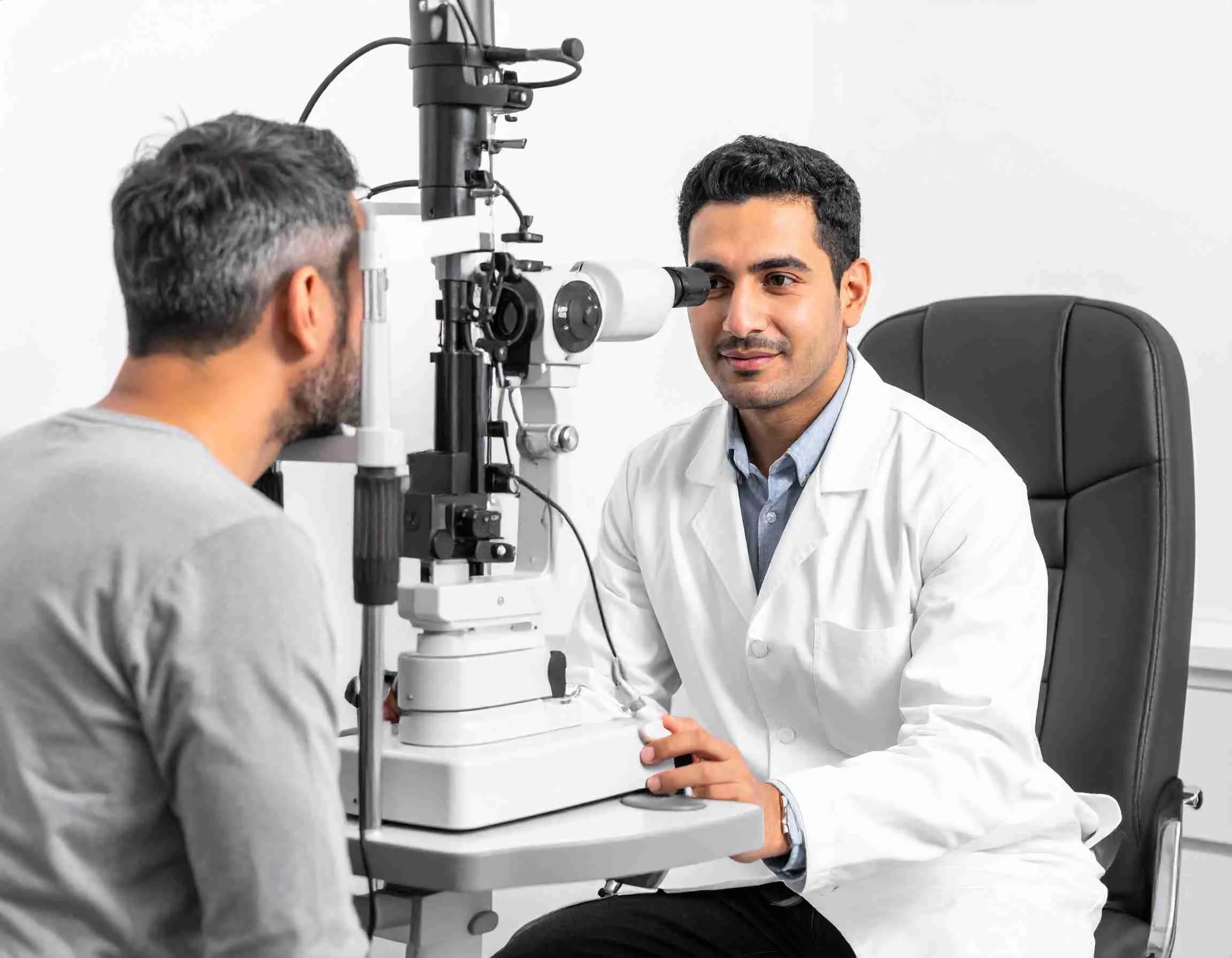
Procedure Education
Understand LASIK, SMILE, PRK, LASEK and lens replacement before deciding your next step.
Suitability-Led
The right treatment depends on diagnostic assessment, not preference or price alone.
Safety First
Some patients may need a different procedure, further checks or no surgery at all.

What Is Laser Vision Correction?
Laser vision correction is a group of procedures designed to change how light focuses inside the eye. In many people with short-sightedness, long-sightedness or astigmatism, light does not focus accurately on the retina.
Laser procedures usually work by reshaping the cornea — the clear front surface of the eye — so light can focus more accurately. Different procedures reach the treatment area in different ways.
LASIK, SMILE, PRK and LASEK are laser-based procedures. Lens replacement, also called refractive lens exchange, is different because it changes the lens inside the eye rather than reshaping the cornea.
The Main Types Of Vision Correction
Patients often use the word “LASIK” to describe all laser eye surgery, but LASIK is only one option. The safest choice depends on your eye measurements and clinical assessment.
LASIK
A flap-based laser procedure often associated with faster early visual recovery in suitable patients.
SMILE
A flap-free keyhole laser procedure performed through a small incision in suitable patients.
PRK / LASEK
Surface laser procedures that may be considered when flap-based surgery is less suitable.
Lens Replacement
A lens-based option often discussed for suitable patients aged 40+ or with reading vision concerns.
LASIK Laser Eye Surgery
LASIK is one of the most widely recognised forms of laser eye surgery. A thin corneal flap is created before laser reshaping is performed underneath the surface of the eye.
It is often associated with relatively fast visual recovery in suitable patients, although not everybody is clinically suitable for LASIK treatment.
- Often associated with faster early visual recovery
- Requires suitable corneal thickness and shape
- May not suit some dry eye patients
- Final suitability requires clinical assessment
SMILE Laser Eye Surgery
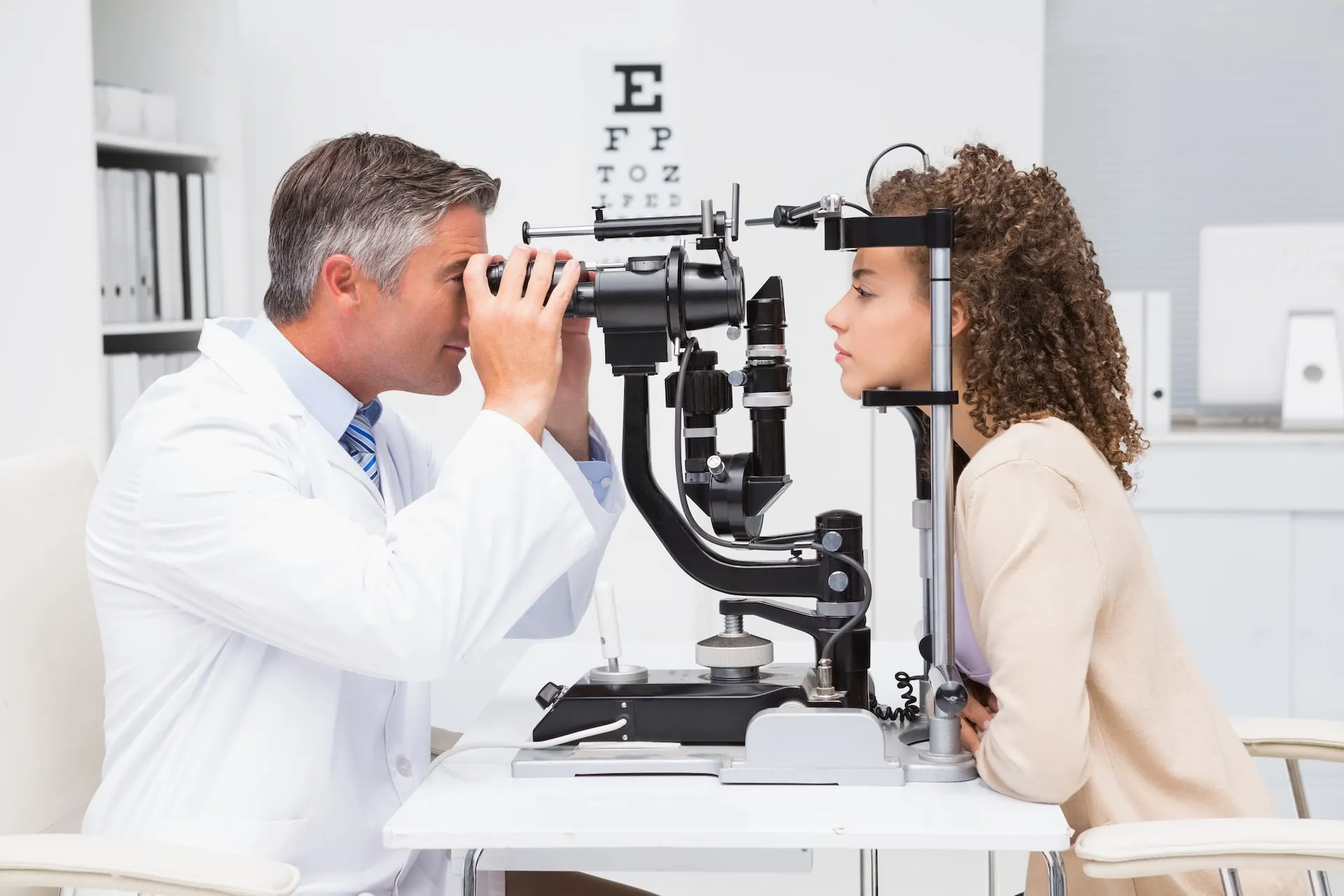
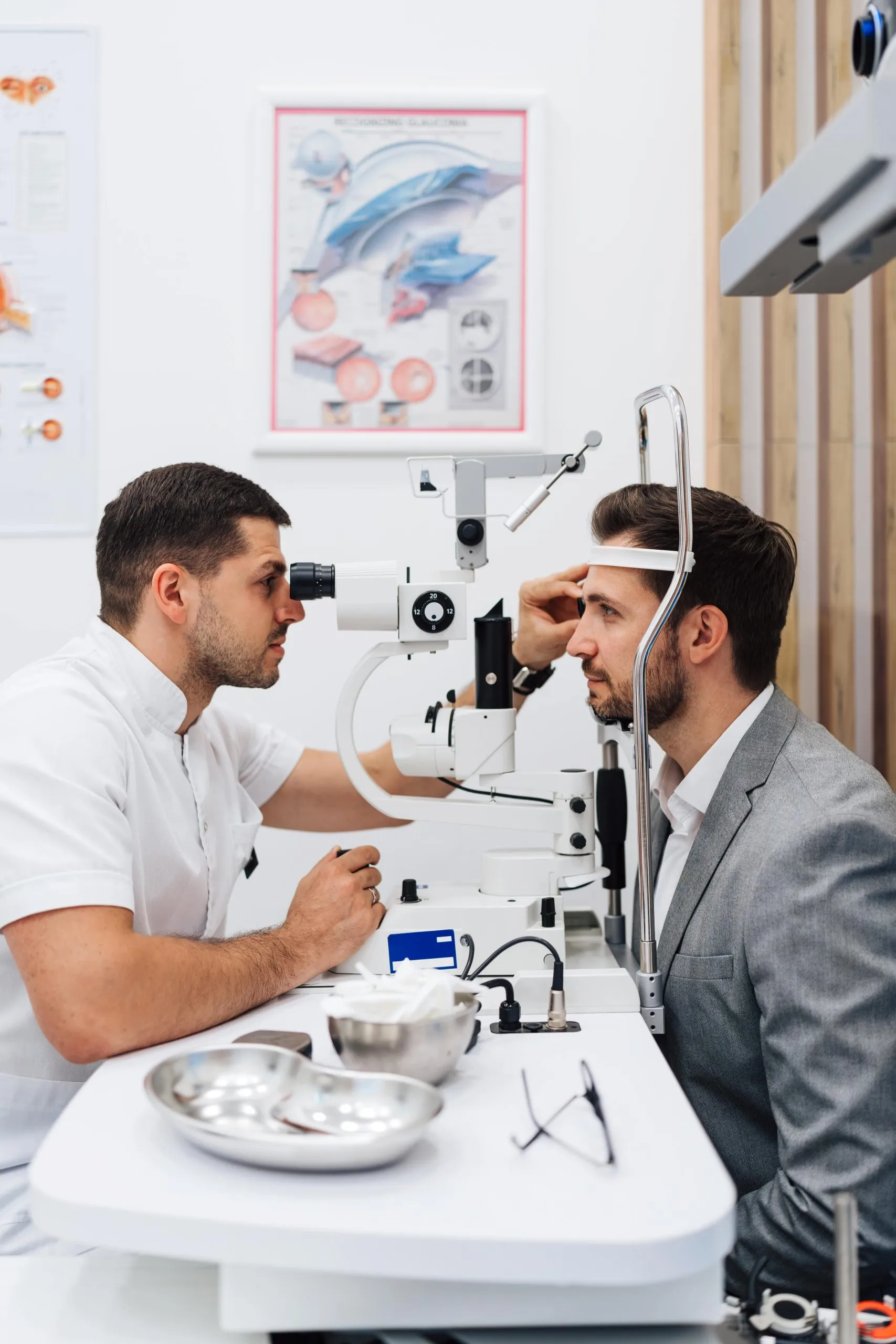
SMILE is a minimally invasive laser vision correction procedure performed through a small incision rather than a LASIK-style flap.
It may be discussed for suitable patients seeking a flap-free laser option, although suitability depends on prescription and diagnostic assessment.
- No LASIK-style flap
- Small incision treatment approach
- May be relevant for some dry-eye-prone patients
- Not suitable for every prescription type
Surface Laser Eye Surgery
PRK and LASEK are surface laser procedures that reshape the cornea without creating a LASIK-style flap.
These procedures may be considered for patients with thinner corneas or where flap-based treatment may be less appropriate.
- No LASIK-style flap created
- Often discussed for thinner corneas
- Usually slower recovery than LASIK
- Early discomfort and fluctuating vision may occur
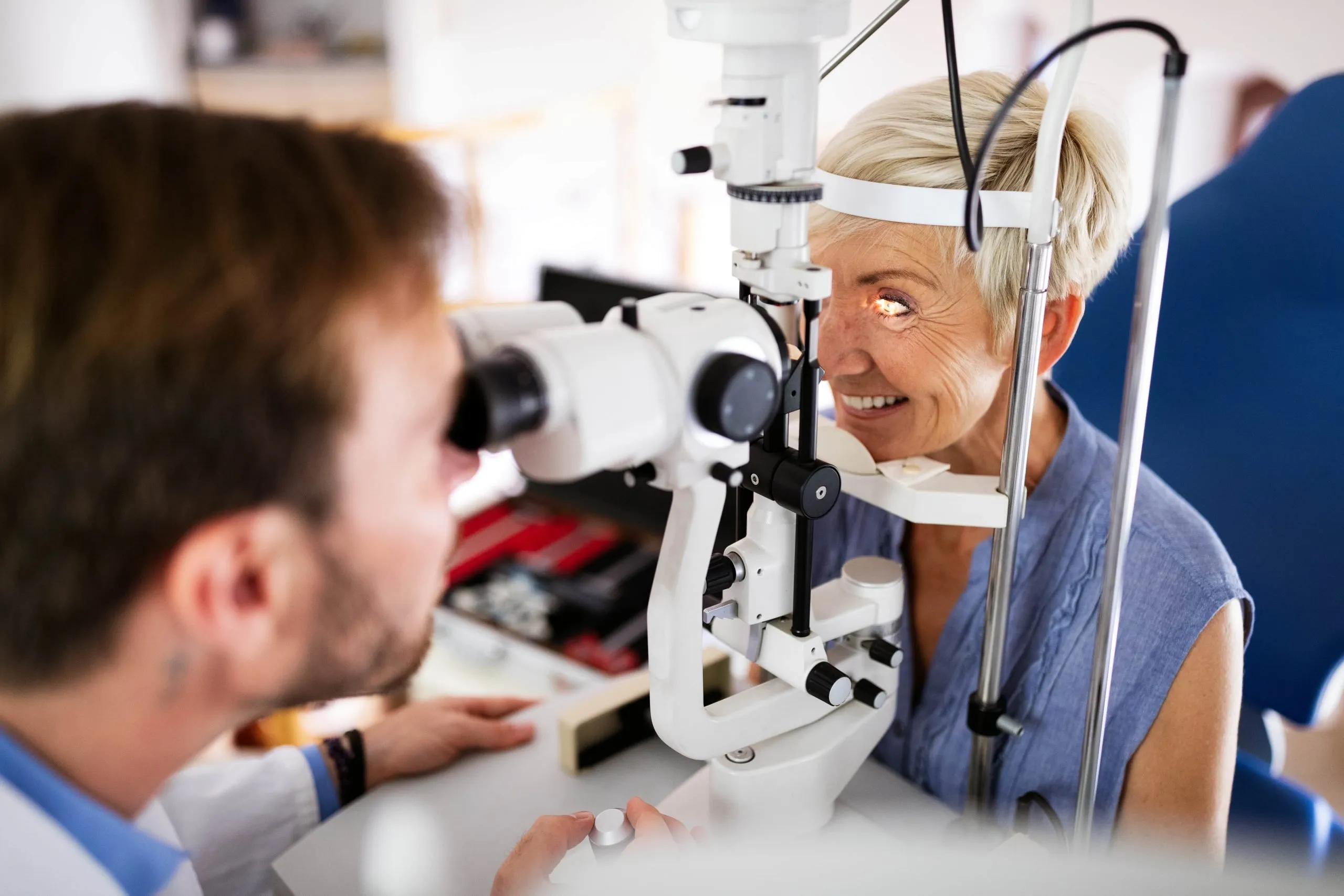
Refractive Lens Exchange (RLE)
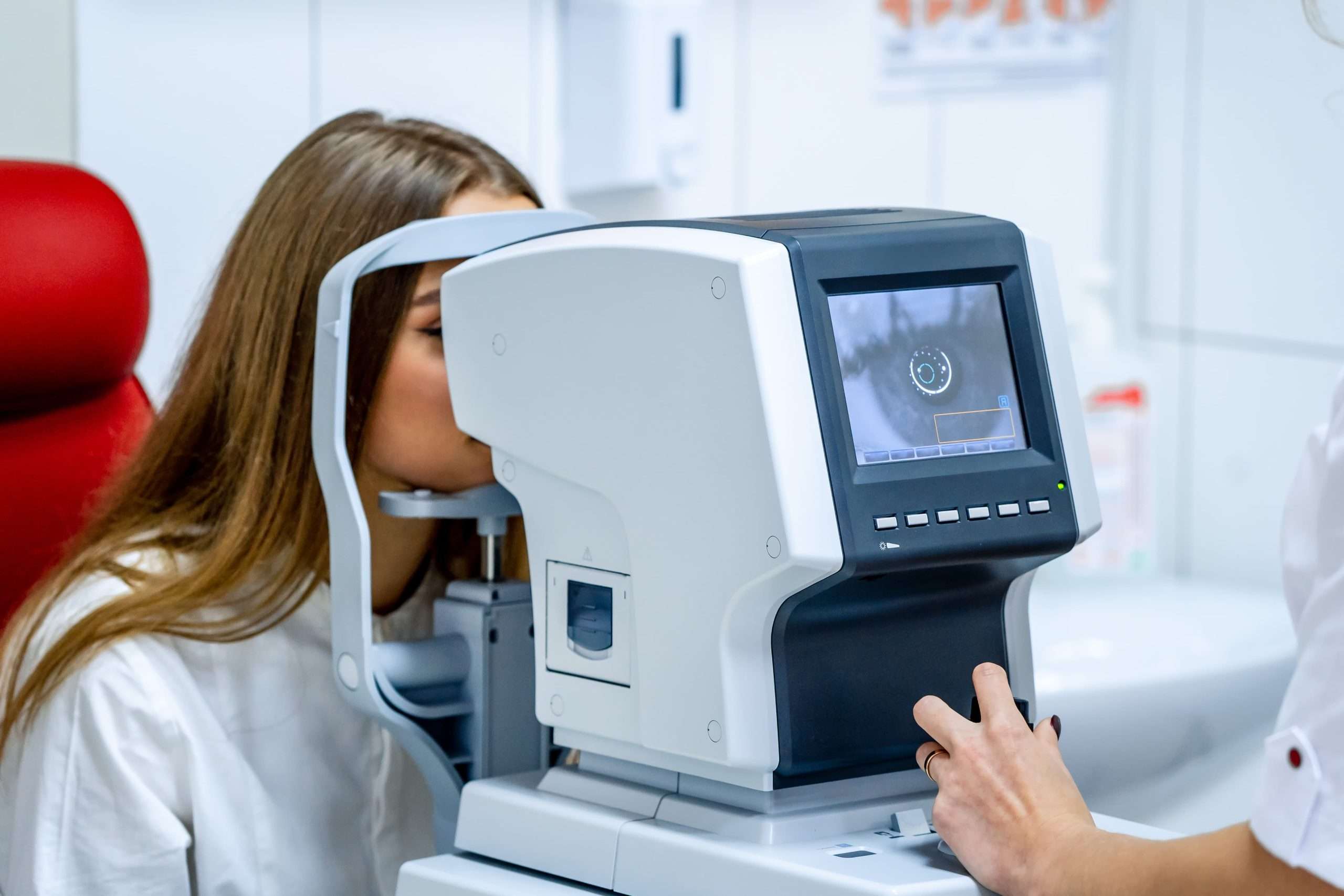
Lens replacement surgery removes the eye’s natural lens and replaces it with an artificial lens designed to correct vision.
It may be discussed for suitable patients aged 40+ or those experiencing reading vision changes, presbyopia or higher prescriptions.
- Lens-based vision correction
- Often discussed for patients aged 40+
- May help address reading vision concerns
- Requires full diagnostic assessment
LASIK vs SMILE vs PRK / LASEK vs Lens Replacement
No procedure is automatically better for every patient. Each option has different suitability factors, recovery patterns and limitations.
Fastest Early Recovery
LASIK is often associated with faster early recovery in suitable patients, although individual healing varies.
Flap-Free Laser Option
SMILE avoids a LASIK-style flap and may be discussed for suitable patients seeking a minimally invasive approach.
Surface Laser Option
PRK and LASEK may be considered where flap-based procedures are less suitable.
Lens-Based Correction
Lens replacement may be discussed for suitable patients aged 40+ or those seeking reading vision correction.
Who May Be Suitable For Vision Correction?
Suitability is not based only on wanting surgery. Clinical teams consider several factors before recommending treatment.
Stable Prescription
A stable glasses or contact lens prescription is usually important before laser correction is considered.
Healthy Cornea
Corneal thickness, shape and overall health affect whether LASIK, SMILE, PRK or LASEK may be appropriate.
Eye Health
Dry eye, keratoconus, previous eye surgery or other eye conditions may affect treatment suitability.
Realistic Expectations
Patients should understand possible benefits, limitations, healing time and alternatives before proceeding.
Risks And Limitations Should Be Discussed Clearly
Vision correction has helped many patients reduce dependence on glasses or contact lenses, but no surgical procedure is risk-free and no result can be guaranteed.
Possible issues may include dry eye symptoms, glare, halos, fluctuating vision, under-correction, over-correction, regression or the need for further treatment.
- Dry eye symptoms can occur or worsen
- Night glare or halos may be experienced
- Vision may fluctuate during healing
- Some patients may need enhancement or further care
- Rare complications should be discussed with the surgeon
When Laser Eye Surgery May Not Be Recommended
Saying no to surgery can be the safest and most responsible decision. Some patients may need further testing, a different option or no treatment.
Unstable Prescription
If your prescription is still changing, treatment may need to be delayed or reconsidered.
Irregular Cornea
Conditions such as suspected keratoconus or irregular corneal shape may make laser correction unsuitable.
Severe Dry Eye
Dry eye symptoms should be reviewed carefully before any laser procedure is considered.
Medical Factors
Pregnancy, certain medications, autoimmune conditions or eye disease may affect timing or suitability.

Recovery Differs By Procedure
Recovery depends on the procedure, your healing response and the surgeon’s guidance. Patients should avoid assuming all vision correction procedures have the same recovery timeline.
- LASIK often has faster early visual recovery
- SMILE recovery varies but avoids a LASIK flap
- PRK and LASEK usually involve slower surface healing
- Lens replacement recovery follows a different process
- Driving, work and travel advice should be confirmed clinically
Vision Correction Pricing
Laser Eye Surgery – LASIK, SMILE, PRK or LASEK
£1,500–£3,500
Pricing for both eyes depending on procedure type, prescription, suitability and treatment planning.
Lens Replacement / RLE – Both Eyes
£3,500–£6,500
Pricing for both eyes depending on lens type, diagnostics and final clinical recommendation.
Final pricing and suitability are confirmed after appropriate clinical assessment.
Laser Vision Correction FAQ
Is laser vision correction the same as LASIK?
No. LASIK is one type of laser vision correction. Other options include SMILE, PRK and LASEK. Lens replacement is a separate lens-based procedure.
Which procedure has the fastest recovery?
LASIK is often associated with faster early recovery in suitable patients, but recovery varies and depends on clinical factors.
Is SMILE better than LASIK?
Not necessarily. SMILE may be suitable for some patients, while LASIK, PRK, LASEK or lens replacement may be more appropriate for others.
Why would someone choose PRK or LASEK?
Surface laser procedures may be discussed for patients with thinner corneas, certain lifestyle needs or when flap-based surgery is less suitable.
Can laser eye surgery treat astigmatism?
Some patients with astigmatism may be suitable for laser correction, depending on prescription, corneal shape and assessment.
When might lens replacement be considered?
Lens replacement may be discussed for suitable patients aged 40+, those with presbyopia or patients for whom laser eye surgery may not be the best option.
Are results guaranteed?
No. No surgical procedure can guarantee a specific result. Risks, benefits and alternatives should be discussed with the treating ophthalmologist.
Do you provide medical advice?
No. Turkey Laser Guide provides general information and coordination support only. Clinical decisions are made by licensed ophthalmologists.
Still Comparing LASIK, SMILE, PRK, LASEK Or Lens Replacement?
Send your details and we will help you understand the process, the costs and what to expect — then get you booked in.