
Refractive Lens Exchange For Reading Vision And Long-Term Correction
Lens replacement surgery, also called refractive lens exchange or RLE, replaces the eye’s natural lens with an artificial intraocular lens to help correct vision.
It may be discussed for suitable patients aged 40+, patients with presbyopia, higher prescriptions, early lens changes or those who may not be suitable for laser eye surgery.
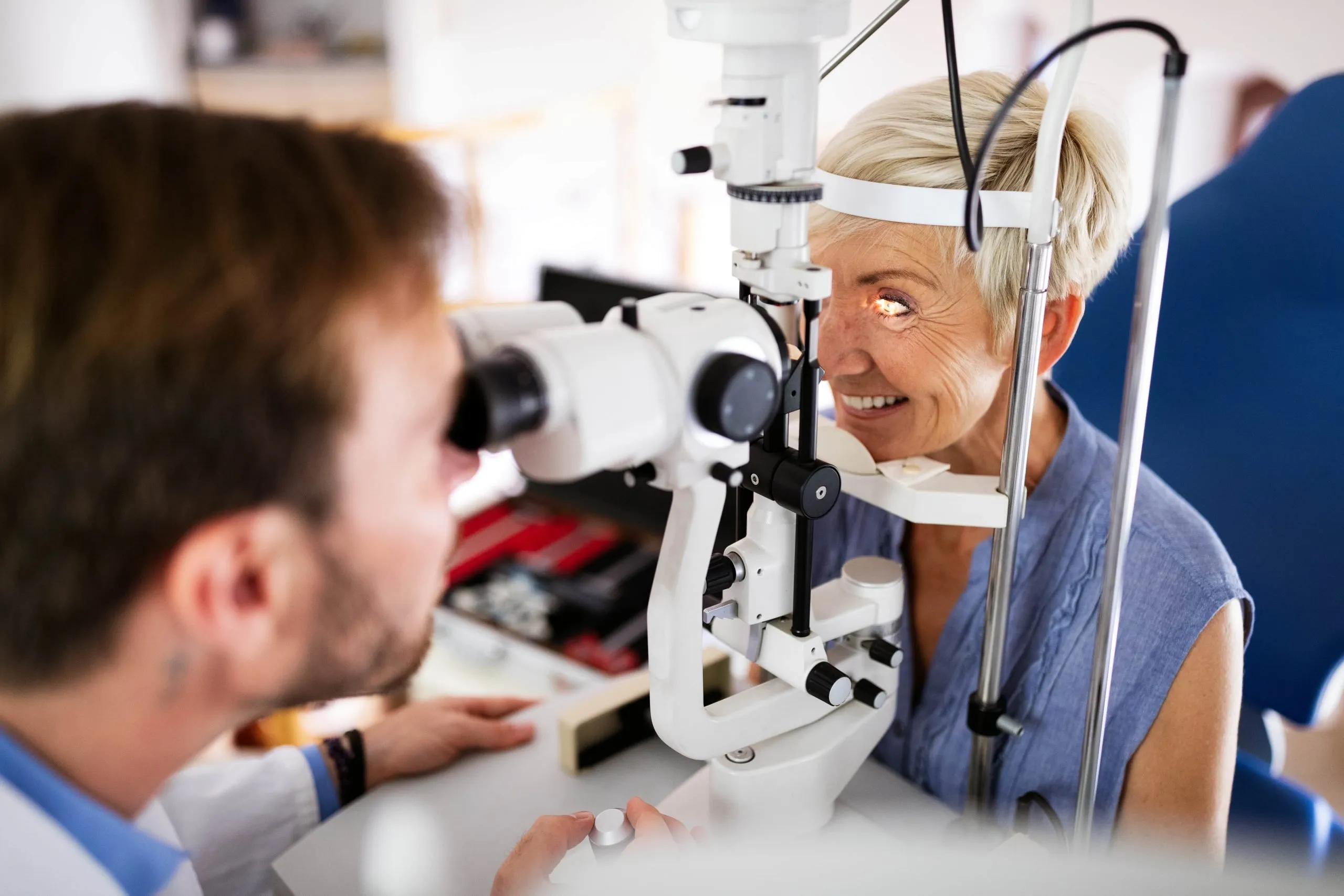
Lens-Based Correction
RLE corrects vision by replacing the natural lens rather than reshaping the cornea.
Often Considered 40+
Commonly discussed for presbyopia, reading vision changes or patients beyond typical laser suitability.
Clinical Assessment Required
Suitability, lens choice and expected outcomes must be confirmed by an ophthalmologist.

What Is Lens Replacement Surgery?
Refractive lens exchange is a surgical procedure where the eye’s natural lens is removed and replaced with an artificial intraocular lens, also called an IOL.
Unlike LASIK, SMILE, PRK or LASEK, lens replacement does not reshape the cornea. It changes the focusing power of the eye by replacing the lens inside the eye.
The procedure is similar in principle to cataract surgery, but it may be performed before a visually significant cataract develops when the aim is refractive correction.
Who May Consider Lens Replacement?
Lens replacement is not suitable for everyone. It is usually discussed after considering age, prescription, eye health, lifestyle and whether laser eye surgery is appropriate.
Patients Aged 40+
RLE is commonly discussed when reading vision changes become a major concern.
Presbyopia
Presbyopia affects near vision with age and may make reading glasses necessary.
Higher Prescriptions
Some patients with higher prescriptions may be better suited to lens-based options than laser correction.
Laser Unsuitable Patients
Patients unsuitable for LASIK, SMILE, PRK or LASEK may be advised to discuss lens replacement.
Types Of Intraocular Lenses That May Be Discussed
Lens choice is one of the most important parts of lens replacement exchange. The most appropriate lens depends on your eye measurements, lifestyle, night driving needs, reading goals and surgeon recommendation.
Monofocal IOL
Designed to focus mainly at one distance, usually distance vision. Glasses may still be needed for reading or intermediate tasks.
Multifocal IOL
Designed to provide more than one focal point, often helping with near and distance vision. Some patients may notice glare or halos.
Trifocal IOL
Designed to support near, intermediate and distance vision in suitable patients. Suitability depends on eye health and visual priorities.
EDOF IOL
Extended depth of focus lenses are designed to provide a wider range of vision with a different visual profile from multifocal lenses.
Toric IOL
Designed to correct astigmatism where clinically appropriate. Accurate measurements and alignment are important.
Cataract IOL
For patients with cataract changes, lens replacement may involve cataract removal with a standard or premium IOL option.
Premium Lens Platforms
Established lens platforms may include brands such as Hoya, Rayner and PanOptix depending on clinic availability and suitability.
Specific Lens Requests
If you already know which lens you are researching, availability can be discussed, but final selection must remain clinically led.
How Lens Replacement Differs From LASIK, SMILE, PRK And LASEK
Laser eye surgery reshapes the cornea. Lens replacement changes the lens inside the eye. This makes RLE a very different type of vision correction.
RLE is usually more relevant for patients where age-related reading vision, lens changes or prescription factors make laser correction less suitable.
- Laser procedures reshape the cornea
- RLE replaces the natural lens
- RLE is often discussed for presbyopia
- Lens choice affects visual outcome and trade-offs
- Suitability requires detailed diagnostic assessment

What Determines Suitability For Lens Replacement?
RLE suitability should be assessed carefully because lens replacement is intraocular surgery. The decision should never be made from price or convenience alone.
Eye Health
The retina, cornea, lens and general eye health need to be assessed before proceeding.
Prescription
Your prescription affects whether lens replacement may be more appropriate than laser correction.
Pupil Size
Pupil size may influence lens choice and visual symptoms such as glare or halos.
Lifestyle Needs
Driving, reading, screen use, night vision and work demands should be considered when choosing lenses.
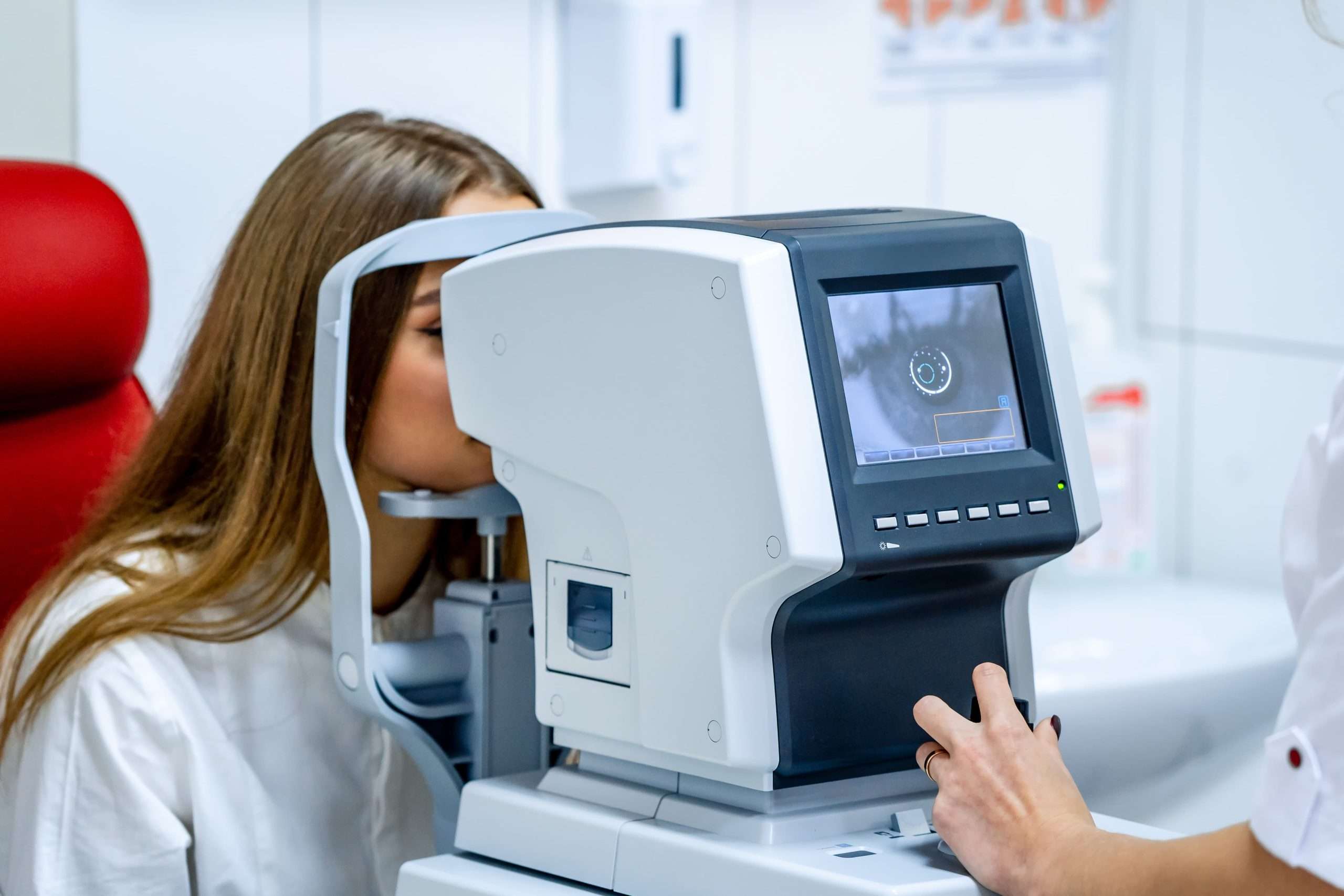
Measurements Matter Before Lens Surgery
Lens replacement planning depends on accurate diagnostic measurements. These help the clinical team assess suitability and select an appropriate lens.
- Eye health assessment
- Prescription and vision testing
- Biometry and lens calculations
- Corneal measurements
- Retinal review where clinically required
Final treatment planning and lens selection must be confirmed by the treating ophthalmologist.
What Patients Should Verify Before Lens Replacement Abroad
Turkey has excellent private eye surgery facilities, but standards vary. Patients should verify the hospital, surgeon, lens platform, diagnostic equipment and follow-up arrangements before committing.
Hospital Accreditation
Ask whether the facility is JCI-accredited and regulated by the Turkish Ministry of Health. Where possible, verify this independently.
Surgeon Experience
Ask about the surgeon’s specific experience with lens replacement and intraocular lens procedures, not just general eye surgery.
Lens Platform
Ask which IOL brands and lens types may be used, and whether monofocal, trifocal, toric or EDOF options are available.
Complication Protocol
Ask what happens if you need additional care after returning home, and request clear information before you commit.
Insurance Position
Check your travel insurance carefully, as standard policies may exclude elective procedures abroad.
Independent Advice
Consider speaking with a qualified eye care professional in your country of residence before deciding on surgery abroad.
From Initial Questions To Surgeon Assessment
A careful process should feel clear, calm and pressure-free. No procedure should go ahead without full clinical assessment and surgeon approval.
1. Initial Enquiry
Share your age, prescription if available, vision goals and questions. There is no pressure or obligation.
2. Surgeon Matching
Where appropriate, you can be connected with a suitable clinic or surgeon based on your situation and treatment goals.
3. Clinical Assessment
Diagnostic testing confirms whether lens replacement is appropriate and which lens options may be considered.
4. Treatment Decision
The treating ophthalmologist confirms final suitability, risks, benefits, alternatives and lens recommendation.
5. Surgery
If approved, the procedure is performed in an appropriate clinical setting under the care of the treating surgeon.
6. Travel Support
Accommodation and transfers may be arranged separately where required, depending on your plan and provider arrangements.
Lens Replacement Has Important Trade-Offs
RLE can be life-changing for suitable patients, but it is still surgery. Risks, limitations and alternatives should be discussed clearly before treatment.
Glare Or Halos
Some lens types may increase the chance of glare, halos or night vision symptoms.
Dry Eye Symptoms
Dryness or irritation can occur after eye surgery and should be discussed if you already have symptoms.
Further Treatment
Some patients may need glasses, laser refinement or further management after surgery.
Intraocular Surgery Risks
Because RLE is surgery inside the eye, rare but serious risks should be discussed with the surgeon.
Recovery After Lens Replacement
Recovery varies between patients and depends on the type of lens used, your eye health, healing response and surgeon guidance.
Some patients notice improvement quickly, while others need time for vision to settle. Adaptation to multifocal, trifocal or EDOF lenses can also take time.
- Initial recovery guidance is provided after treatment
- Vision may fluctuate during healing
- Night vision symptoms may need time to settle
- Eye drops and post-operative instructions should be followed carefully
- Driving and travel advice should be confirmed clinically

Lens Replacement Pricing In Turkey
Lens Replacement / RLE – Both Eyes
£3,500–£6,500
Pricing for both eyes depending on lens type, diagnostic findings and final clinical recommendation.
Laser Eye Surgery Alternatives
£1,500–£3,500
Some patients may be more suitable for LASIK, SMILE, PRK or LASEK depending on assessment.
Final suitability, pricing and lens recommendation are confirmed after clinical assessment.
Lens Replacement FAQ
Is lens replacement the same as cataract surgery?
The surgical principle is similar because the natural lens is replaced with an artificial lens. RLE is usually performed for refractive correction rather than because a cataract is visually significant.
What is the difference between trifocal and EDOF lenses?
Trifocal lenses are designed to support near, intermediate and distance vision. EDOF lenses aim to extend the range of focus and may have a different visual trade-off profile. The best option depends on your eyes and lifestyle.
Can toric lenses correct astigmatism?
Toric IOLs are designed to correct astigmatism where clinically appropriate. Suitability depends on measurements and surgeon recommendation.
Will I still need glasses after RLE?
Some patients may still need glasses for certain tasks depending on lens type, visual needs and clinical outcome.
Are multifocal lenses suitable for everyone?
No. Multifocal or trifocal lenses may not suit every eye or lifestyle, and possible glare or halo symptoms should be discussed.
How much does lens replacement cost in Turkey?
Lens replacement typically ranges from £3,500–£6,500 for both eyes depending on lens type and clinical recommendation.
Are results guaranteed?
No. No surgical procedure can guarantee a specific outcome. Risks, benefits and alternatives should be discussed with the treating ophthalmologist.
Do you provide medical advice?
No. Turkey Laser Guide provides general information and coordination support only. Clinical decisions are made by licensed ophthalmologists.
Considering Lens Replacement In Turkey?
Send your details and we will help you understand your options, the process, the costs and what to expect.