
Not Everyone Should Have Laser Eye Surgery — And That Matters
The safest refractive surgery decision is not always surgery itself. Good patient selection, careful diagnostics and realistic expectations matter more than marketing claims.
This guide explains who may or may not be suitable for laser eye surgery or lens replacement, why diagnostics are critical, what risks patients should understand, and what to verify before travelling for treatment.

Suitability First
Good refractive surgery starts with careful patient selection and diagnostics.
Not Everyone Is Suitable
A responsible clinic should be willing to say no when surgery is not appropriate.
Understand The Risks
Patients should understand recovery, limitations and long-term considerations before treatment.
The Most Important Part Of Laser Eye Surgery Happens Before Surgery
Many patients assume laser eye surgery is mainly about technology. In reality, the most important part is deciding whether surgery is appropriate in the first place.
Modern laser platforms are advanced, but technology alone does not make surgery safe or suitable. Good outcomes depend on accurate diagnostics, conservative treatment planning, surgeon judgment and realistic patient expectations.
This is why responsible refractive surgery providers reject some patients, delay treatment for others and sometimes recommend completely different procedures than the patient originally expected.
The safest surgery is not the one marketed most aggressively. It is the one that best fits the individual eye.
Travelling to Turkey for eye surgery can make excellent sense for the right patient — lower costs, experienced surgical teams and accredited hospitals are real advantages.
But they only matter if travelling is appropriate for your eyes and your situation. Our job is to help you work that out honestly.
Conditions That May Affect Laser Eye Surgery Suitability
Not every patient is a suitable candidate for LASIK, SMILE, PRK, LASEK or lens replacement. Some eyes require more conservative planning, different procedures or no surgery at all.
Thin Corneas
Laser procedures remove corneal tissue. If the cornea is too thin, treatment may weaken structural stability and increase risk.
Keratoconus Or Corneal Weakness
Keratoconus is a condition where the cornea progressively weakens and changes shape. Refractive surgery may be inappropriate in these cases.
Unstable Prescription
If your prescription is still changing, surgery may need to be delayed until stability is confirmed.
Severe Dry Eye
Existing dry eye symptoms may worsen after surgery and should be assessed carefully before any procedure is considered.
Autoimmune Conditions
Certain autoimmune or inflammatory conditions may affect healing and surgical suitability.
Pregnancy & Hormonal Changes
Pregnancy and hormonal fluctuations can temporarily affect prescription stability and tear film quality.
Unrealistic Expectations
Patients expecting “perfect vision forever” or guaranteed outcomes may not be suitable candidates psychologically.
Age-Related Vision Changes
Laser surgery does not stop the natural ageing process of the eye, including presbyopia and future lens changes.

A Prescription Alone Is Not Enough
One of the biggest misconceptions is thinking laser eye surgery can be approved from a glasses prescription alone.
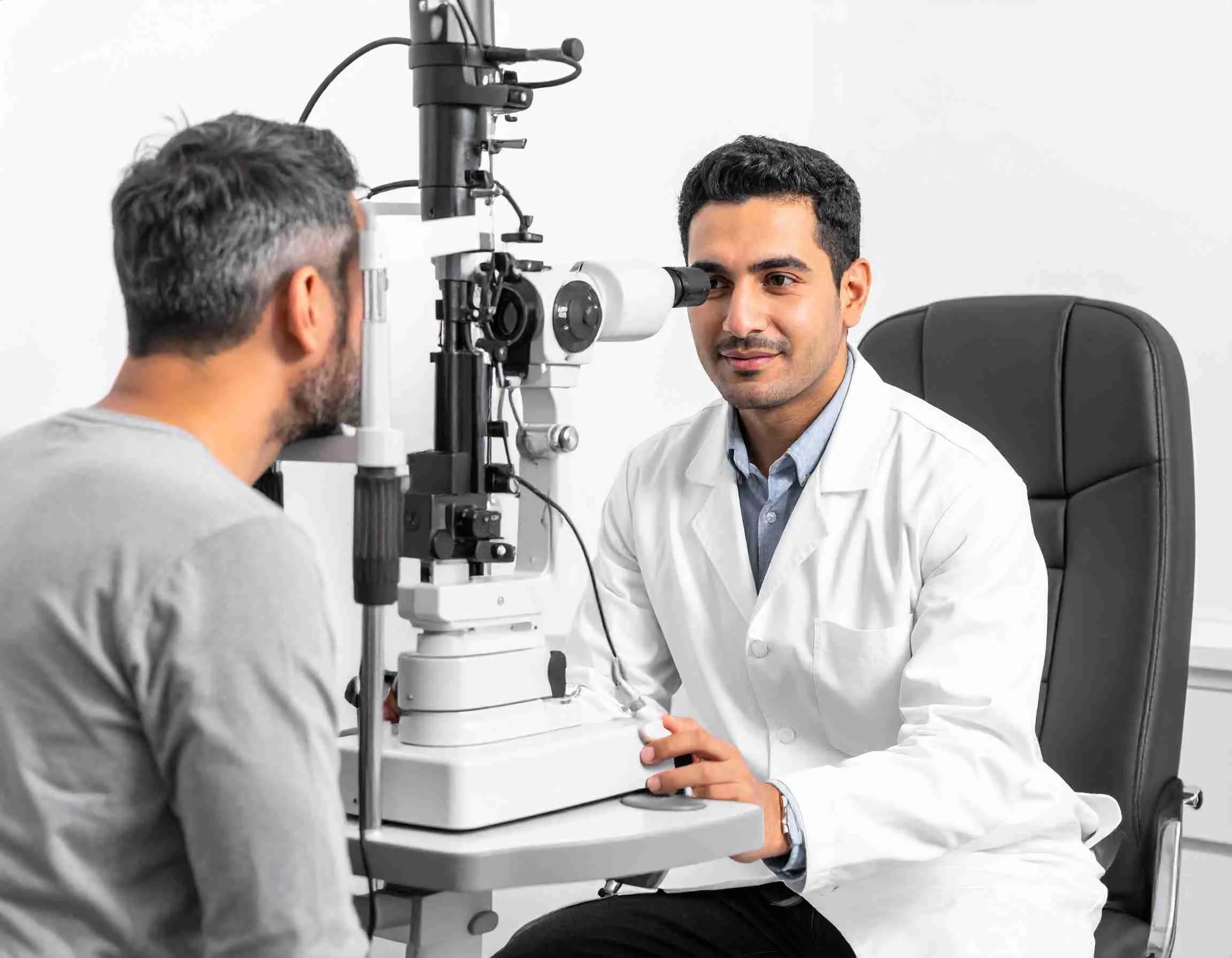
In reality, refractive surgery planning depends on detailed measurements that assess corneal shape, thickness, structural integrity, tear film quality and retinal health.
Good diagnostics help identify patients who may be unsuitable for surgery before unnecessary risk is taken.
- Corneal topography maps corneal shape
- Tomography evaluates deeper corneal structure
- Pachymetry measures corneal thickness
- Tear film assessment evaluates dry eye risk
- Pupil size may affect night vision considerations
- Retinal checks help identify other eye concerns
A Responsible Clinic Should Not Approve Everyone
One of the strongest signs of a trustworthy refractive surgery provider is a willingness to say no.
Safety Before Sales
A responsible surgeon should reject treatment when the risk profile is not appropriate for the patient.
Not Every Cornea Is Suitable
Some corneas may be too thin, irregular or structurally vulnerable for safe laser treatment.
Procedure Changes Matter
Some patients expecting LASIK may actually be more suitable for PRK, SMILE, lens replacement or no surgery.
Delaying Treatment Can Be Safer
In some situations, waiting is safer than rushing into surgery before the eyes are stable.
Laser Eye Surgery Is Still Surgery
Refractive surgery is often marketed as routine or quick, but it still involves permanently altering the eye. Patients should understand this before making decisions based mainly on convenience or price.
Most suitable patients recover well, but all surgical procedures involve limitations, variability and potential complications. Understanding this does not mean patients should avoid surgery — it means decisions should be informed and realistic.
A premium healthcare approach focuses on education, diagnostics and long-term thinking rather than emotional marketing.
Risks Patients Should Understand Before Surgery
Risks vary depending on procedure type, prescription, eye health and healing response.
Dry Eye Symptoms
Dryness, irritation or fluctuating comfort may occur after surgery, particularly during healing.
Glare & Halos
Some patients experience glare, halos or night vision symptoms, especially during recovery.
Healing Variability
Recovery speed and visual outcomes vary between patients and cannot be guaranteed.
Regression
Some prescriptions may partially regress over time, meaning glasses or further treatment may still be required.
Reading Vision Changes
Laser eye surgery does not stop age-related presbyopia or future lens changes.
Enhancement Possibility
Some patients may require additional treatment or ongoing vision correction after surgery.
Infection & Inflammation
Although uncommon, infection or inflammatory complications can occur and require urgent assessment.
No Guaranteed Outcome
No refractive procedure can guarantee “perfect vision” or eliminate all future visual changes.
Additional Considerations When Travelling To Turkey
Turkey has become a popular destination for private healthcare, but standards, clinics and treatment options vary significantly.
Patients should evaluate clinics carefully rather than choosing solely on price or social media marketing.
- Verify surgeon qualifications and experience
- Understand which hospital or facility is being used
- Ask about diagnostics and suitability assessment
- Understand what follow-up support is included
- Clarify who to contact if concerns arise after returning home
- Allow appropriate recovery time before travelling back
Patients should never feel pressured into rapid decisions, immediate deposits or same-day surgery without appropriate assessment.
Questions Patients Should Ask Before Surgery
A trustworthy provider should be comfortable answering detailed questions before treatment.
Am I Actually Suitable?
Ask why the procedure is appropriate for your eyes specifically.
Why This Procedure?
Ask why LASIK, SMILE, PRK, LASEK or RLE is being recommended instead of alternatives.
What Are The Risks?
Ask about realistic complications, limitations and recovery expectations for your prescription.
What Diagnostics Are Performed?
Ask which measurements and tests are used before final approval.
What Happens If I Need Further Care?
Ask how concerns are handled after treatment and after returning home.
Who Performs The Surgery?
Ask about the surgeon’s experience and procedural focus.
Being Rejected For Surgery Is Not Failure
Some patients are disappointed when surgery is not recommended. In reality, a careful rejection can be one of the strongest signs that the clinic is acting responsibly.
Some patients may simply need a different procedure. Others may need to wait until their prescription stabilises. And some may genuinely be safer without refractive surgery at all.
A trustworthy provider should prioritise long-term eye health over short-term sales.
Good patient selection is not about maximising procedure numbers. It is about reducing unnecessary risk.
Not Sure If Travelling Is The Right Decision?
If you are seriously considering laser eye surgery or lens replacement in Turkey and want to understand whether it makes sense for your situation, send us your details and we will take it from there.