
SMILE Laser Eye Surgery: Flap-Free Vision Correction
SMILE is a minimally invasive laser eye surgery procedure performed through a small incision rather than a LASIK-style flap.
It may be discussed for suitable patients seeking flap-free laser correction, particularly where corneal biomechanics, recovery profile or dry eye considerations are part of the conversation.
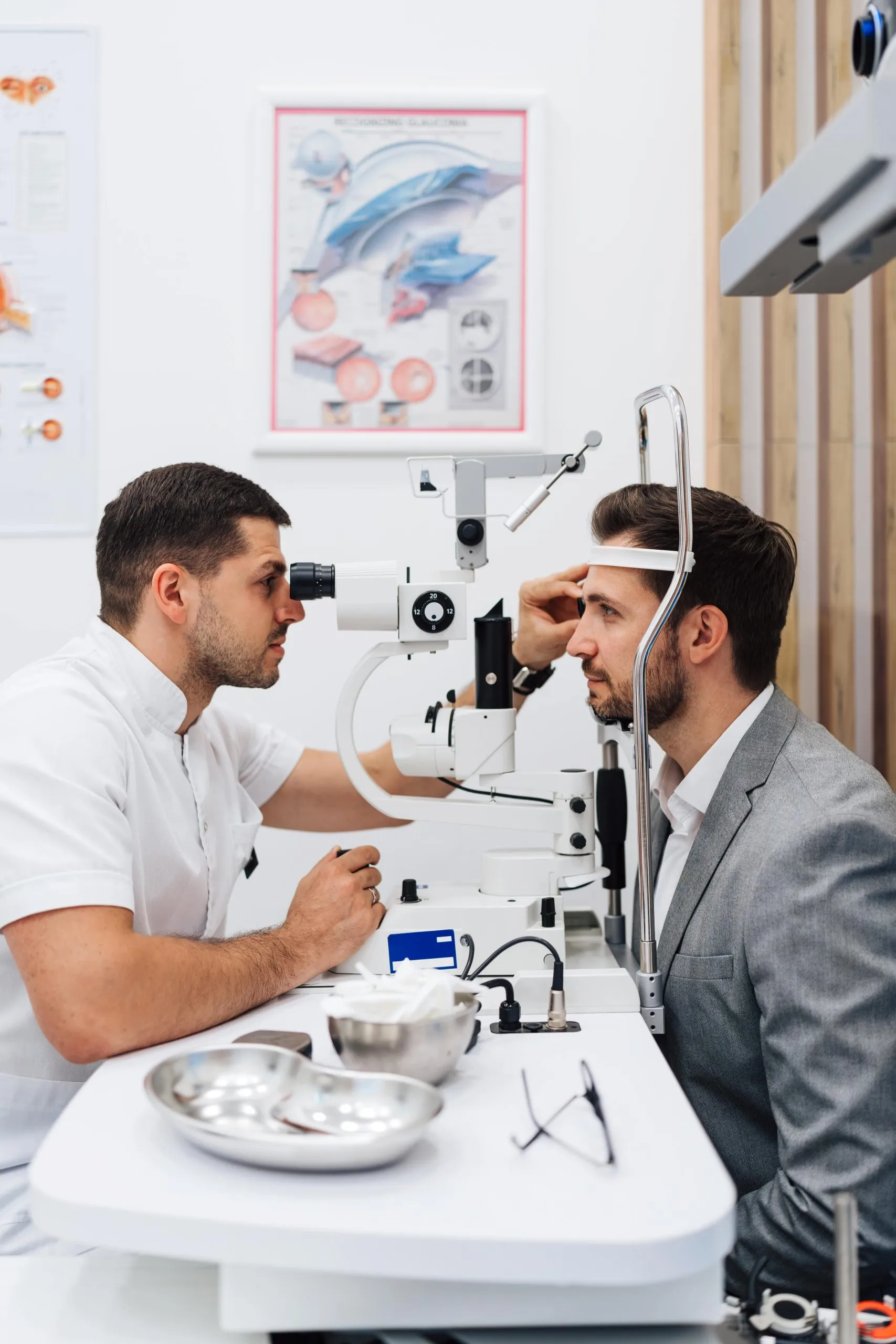
Flap-Free Procedure
SMILE is performed through a small incision rather than creating a LASIK-style corneal flap.
Biomechanical Considerations
SMILE may preserve more anterior corneal structure compared with flap-based procedures.
Not Suitable For Everyone
Procedure choice depends on prescription, corneal measurements, astigmatism and clinical assessment.

Understanding SMILE Laser Eye Surgery
SMILE stands for Small Incision Lenticule Extraction. It is a laser vision correction procedure designed to treat certain prescriptions without creating a LASIK-style flap.
During treatment, a femtosecond laser creates a thin disc-shaped piece of tissue inside the cornea called a lenticule. The lenticule is removed through a small incision, changing the shape of the cornea and how light focuses inside the eye.
Because SMILE avoids a large corneal flap, it is often discussed in conversations around corneal biomechanics, flap-related considerations and dry eye concerns — although suitability still depends heavily on the individual eye.
Why Some Surgeons Recommend SMILE Instead Of LASIK
SMILE was developed to provide a flap-free laser correction option while still treating refractive error inside the cornea.
No LASIK Flap
SMILE is performed through a small incision rather than creating a large corneal flap.
Biomechanical Preservation
Some surgeons believe preserving more anterior corneal tissue may help maintain structural integrity in selected patients.
Dry Eye Discussion
SMILE may be discussed in patients concerned about dry eye symptoms, although dryness can still occur after surgery.
Modern Laser Platform
SMILE is often positioned as a newer-generation refractive procedure using advanced femtosecond laser technology.
Why Corneal Structure Matters In Modern Laser Eye Surgery
Modern refractive surgery is not only about correcting vision. It is also about preserving corneal strength and long-term structural stability wherever possible.
The cornea is made of organised collagen fibres that help maintain shape and focusing power. Different laser procedures affect these fibres differently.
LASIK involves creating a corneal flap before reshaping deeper tissue. SMILE removes a lenticule through a smaller incision, which may preserve more of the front corneal structure in selected patients.
This is one reason SMILE is often discussed in conversations around biomechanics and flap-free treatment planning — although suitability still depends on detailed diagnostics and surgeon assessment.
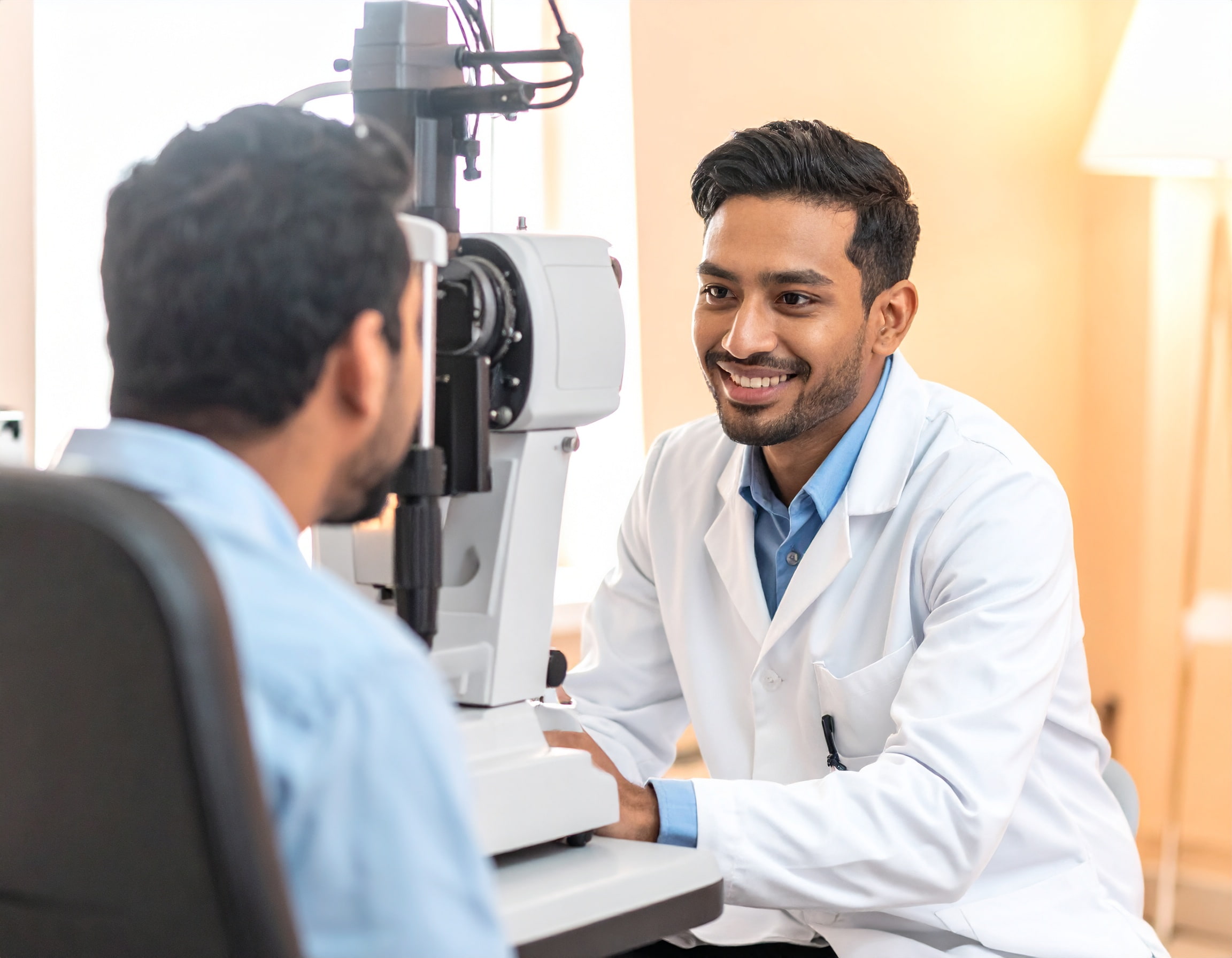
What Happens During SMILE Surgery?
SMILE differs from LASIK because there is no excimer laser reshaping after a flap is lifted. Instead, the femtosecond laser creates tissue planes inside the cornea before the lenticule is removed.
- Numbing drops are usually used before treatment
- The femtosecond laser creates a lenticule inside the cornea
- A small incision allows lenticule removal
- The corneal shape changes after removal
- No LASIK-style flap is created
Patients may feel pressure or awareness during treatment, but sharp pain should not be expected during the laser portion of the procedure.
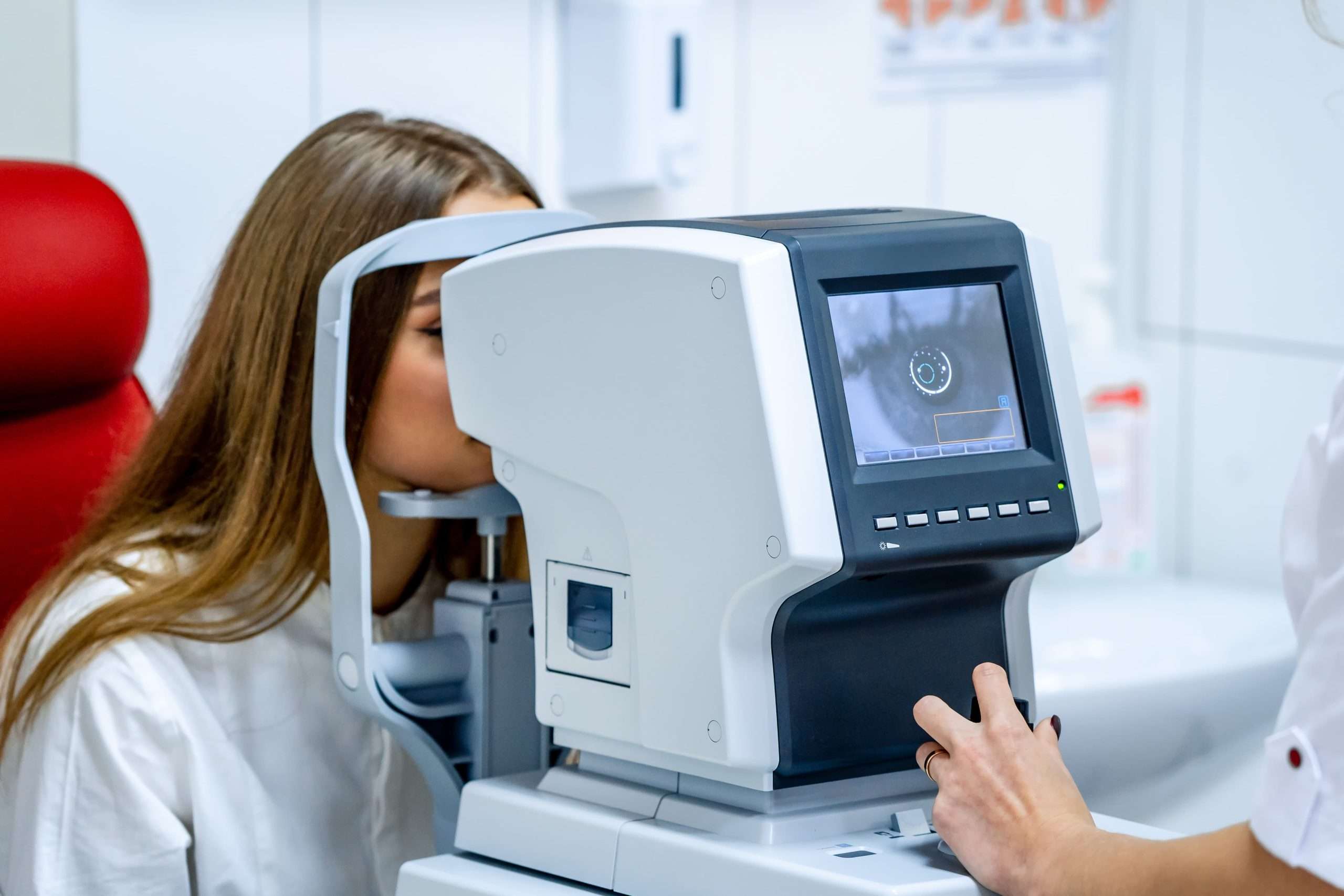
Who May Be Suitable For SMILE?
SMILE suitability depends on prescription type, astigmatism level, corneal measurements and overall eye health.
Short-Sightedness
SMILE is commonly discussed for myopia and certain astigmatism profiles depending on treatment range.
Flap Avoidance
Some patients prefer a flap-free procedure because of occupation, sport or lifestyle considerations.
Dry Eye Concerns
SMILE may be discussed where dry eye risk is part of the decision-making conversation, although symptoms can still occur.
Stable Prescription
As with all refractive surgery, prescription stability is usually important before treatment is considered.
SMILE vs LASIK: The Real Differences
SMILE is not simply “better LASIK.” The procedures use different surgical approaches and have different trade-offs.
LASIK
Uses a corneal flap and excimer laser reshaping. Often associated with fast early recovery and broad treatment versatility.
SMILE
Flap-free lenticule extraction procedure using a small incision rather than a large flap.
PRK / LASEK
Surface laser procedures with slower recovery but no flap creation.
Lens Replacement
Lens-based correction commonly discussed for suitable patients aged 40+ or those with presbyopia.

SMILE Recovery And Healing
SMILE is often associated with relatively quick early recovery, but healing still varies between patients and visual fluctuation can occur during recovery.
Some patients notice improved vision early, while others experience temporary blur, dryness, glare or fluctuating clarity during healing.
- Vision may improve quickly but still fluctuate
- Dryness or irritation can still occur
- Night vision symptoms may occur temporarily
- Eye drops and post-operative guidance remain important
- Driving and work timelines should be confirmed clinically
SMILE Is Not Automatically Better Than LASIK
One of the most common misunderstandings is assuming newer technology automatically means a better procedure for every patient.
Procedure Choice Is Individual
The best procedure depends on your corneal measurements, prescription, dry eye profile, age and visual priorities.
SMILE Still Has Limitations
SMILE may not suit every prescription range or astigmatism profile depending on the laser platform and surgeon planning.
Recovery Still Varies
Some patients recover quickly after SMILE, while others experience fluctuating vision, dryness or temporary visual symptoms.
Diagnostics Matter More Than Marketing
The safest procedure is not chosen from advertising claims. It is chosen from careful diagnostics and clinical judgment.
Risks And Considerations With SMILE
SMILE can reduce dependence on glasses or contact lenses for suitable patients, but risks and limitations still exist.
Dry Eye Symptoms
Dryness, irritation or fluctuating comfort may occur during healing.
Glare & Halos
Some patients notice glare, halos or night vision symptoms during recovery.
Under Or Over-Correction
Some patients may still require glasses, enhancement or further treatment.
Healing Variability
Vision recovery and final outcome vary between patients and cannot be guaranteed.
Measurements Required Before SMILE
SMILE planning depends on detailed diagnostics and careful patient selection. Procedure choice should never be made from marketing alone.
- Corneal topography and tomography
- Corneal thickness measurements
- Prescription stability checks
- Dry eye and tear film assessment
- Pupil size and night vision considerations
- Astigmatism evaluation
Final suitability and procedure recommendation should always be confirmed by the treating ophthalmologist.

SMILE Laser Eye Surgery Pricing In Turkey
SMILE Laser Eye Surgery – Both Eyes
£1,500–£3,500
Pricing depends on diagnostics, prescription, technology platform and final clinical recommendation.
Alternative Procedures
Subject To Assessment
LASIK, PRK, LASEK or lens replacement may be discussed depending on your eyes and suitability.
Final suitability, procedure choice and pricing are confirmed after diagnostic assessment.
SMILE Laser Eye Surgery FAQ
Is SMILE better than LASIK?
Not necessarily. SMILE and LASIK use different surgical approaches. The better option depends on your prescription, corneal measurements, dry eye profile and clinical assessment.
Does SMILE avoid a corneal flap?
Yes. SMILE is performed through a small incision rather than creating a LASIK-style flap.
Can SMILE cause dry eye?
Yes. Although SMILE is often discussed in relation to dry eye considerations, dryness can still occur after surgery.
How fast is SMILE recovery?
Many patients experience relatively quick early recovery, but healing varies and vision can fluctuate during the recovery period.
Can SMILE treat astigmatism?
Some astigmatism profiles may be suitable for SMILE depending on prescription and clinical assessment.
What happens if I am not suitable for SMILE?
LASIK, PRK, LASEK, lens replacement or no surgery may be more appropriate depending on your eyes and surgeon assessment.
Are SMILE results guaranteed?
No refractive procedure can guarantee a specific visual outcome. Risks, limitations and alternatives should always be discussed before surgery.
Do you provide medical advice?
No. Turkey Laser Guide provides general information and coordination support only. Clinical decisions are made by licensed ophthalmologists.
Considering SMILE Laser Eye Surgery In Turkey?
Want to go ahead with SMILE? Want to know what the process looks like? How it works? What happens if you’re not suitable? Looking to make an informed decision about whether it’s worth travelling? Which clinic to go to?