
SMILE vs LASIK: Which Laser Eye Surgery Procedure Is Right For You?
Compare SMILE and LASIK laser eye surgery, including flap vs flap-free treatment, recovery, dry eye considerations, suitability, risks and pricing in Turkey.
Neither procedure is automatically better. The right option depends on corneal measurements, prescription, dry eye profile, recovery priorities and clinical assessment.
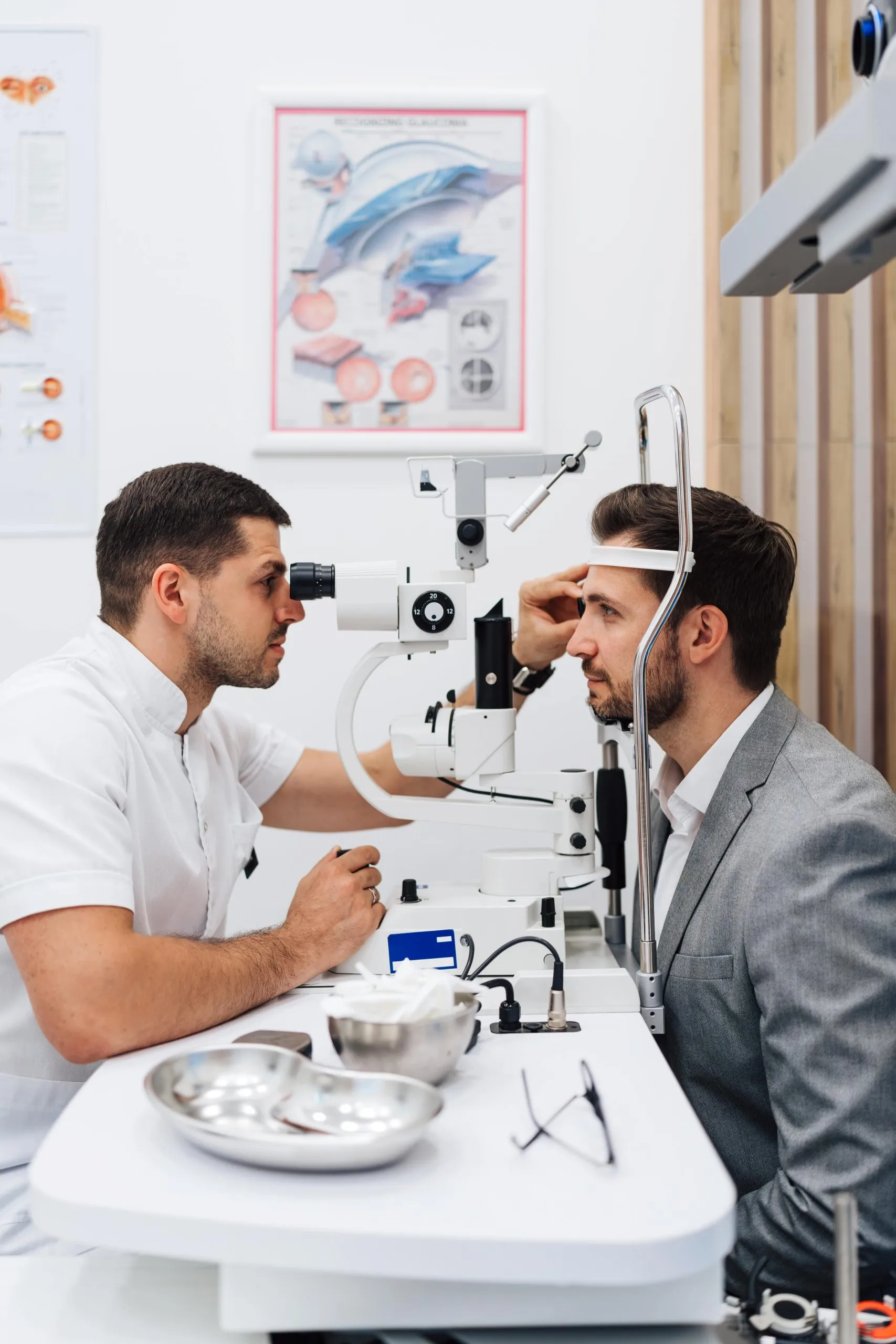
Two Different Techniques
LASIK uses a corneal flap. SMILE uses a small incision and lenticule extraction.
No Universal “Best”
The best procedure depends on the individual eye rather than marketing claims.
Diagnostics Matter
Corneal shape, thickness and tear film quality all affect suitability.
The Simplest Way To Understand The Difference
LASIK reshapes the cornea after creating a thin flap on the front surface of the eye.
SMILE removes a small disc-shaped piece of tissue called a lenticule through a small incision without creating a large flap.
Both procedures aim to reduce dependence on glasses or contact lenses for suitable patients. The difference is how the cornea is accessed and reshaped.
SMILE vs LASIK: Flap-Free Surgery Compared With LASIK
SMILE and LASIK are both laser eye surgery procedures, but they differ in how the cornea is accessed, how tissue is reshaped, recovery expectations, dry eye considerations and suitability.
Procedure Method
SMILE: small-incision lenticule extraction.
LASIK: corneal flap creation followed by excimer laser reshaping.
Corneal Flap
SMILE: no LASIK-style flap.
LASIK: requires creation of a thin corneal flap.
Technology Used
SMILE: femtosecond laser creates the lenticule.
LASIK: usually femtosecond flap creation plus excimer laser reshaping.
Recovery Profile
SMILE: often quick, but vision can fluctuate.
LASIK: often associated with very fast early visual recovery.
Dry Eye Discussion
SMILE: often discussed for dry eye considerations, but dryness can still occur.
LASIK: dry eye can occur, especially in patients already prone to dryness.
Enhancement Planning
SMILE: enhancement pathways can be more complex.
LASIK: enhancement pathways are generally more established.
Treatment Range
SMILE: depends on prescription, astigmatism and platform capability.
LASIK: often has broader treatment versatility.
Best Choice
There is no universal winner. The best procedure depends on your eyes, diagnostics, surgeon assessment and long-term visual goals.

The Biggest Difference: Corneal Flap vs Small Incision
LASIK involves creating a thin flap on the cornea before laser reshaping is performed underneath.
SMILE avoids creating a large flap and instead removes a lenticule through a much smaller incision.
This is one reason SMILE is often discussed in conversations around flap-related considerations, contact sports and corneal biomechanics.
However, flap-free does not automatically mean better. Some patients may still be better suited to LASIK depending on prescription, treatment goals and corneal measurements.
Why Some Surgeons Discuss Biomechanics With SMILE
Modern refractive surgery is not only about visual correction. Preserving corneal strength and long-term structural stability is also important.
Some surgeons believe SMILE may preserve more anterior corneal structure because it avoids creating a large flap.
This is why SMILE is often positioned as a more biomechanically conservative option in selected patients.
But suitability still depends on detailed diagnostics, corneal thickness and overall eye health rather than procedure marketing alone.

SMILE vs LASIK Recovery
Both procedures are often associated with relatively quick recovery, but healing timelines still vary between patients.
LASIK Recovery
LASIK is known for very fast early visual recovery in many suitable patients.
SMILE Recovery
SMILE may also recover quickly, although visual fluctuation can still occur during healing.
Dryness & Irritation
Both procedures may involve temporary dryness, irritation or fluctuating comfort.
Healing Variability
Recovery speed and final visual outcome vary between patients regardless of procedure type.
Is SMILE Better For Dry Eye?
This is one of the most common questions patients ask — and the answer is more nuanced than marketing often suggests.
Why SMILE Is Discussed
Because SMILE uses a smaller incision, some surgeons believe it may affect corneal nerves differently compared with LASIK.
Dry Eye Can Still Occur
SMILE is not a guarantee against dry eye symptoms. Dryness can still occur during recovery.
Existing Dry Eye Matters
Patients with pre-existing dry eye should still undergo careful tear film assessment before surgery.
Procedure Choice Is Individual
The best option depends on diagnostics, symptoms and the overall eye profile rather than one marketing claim.
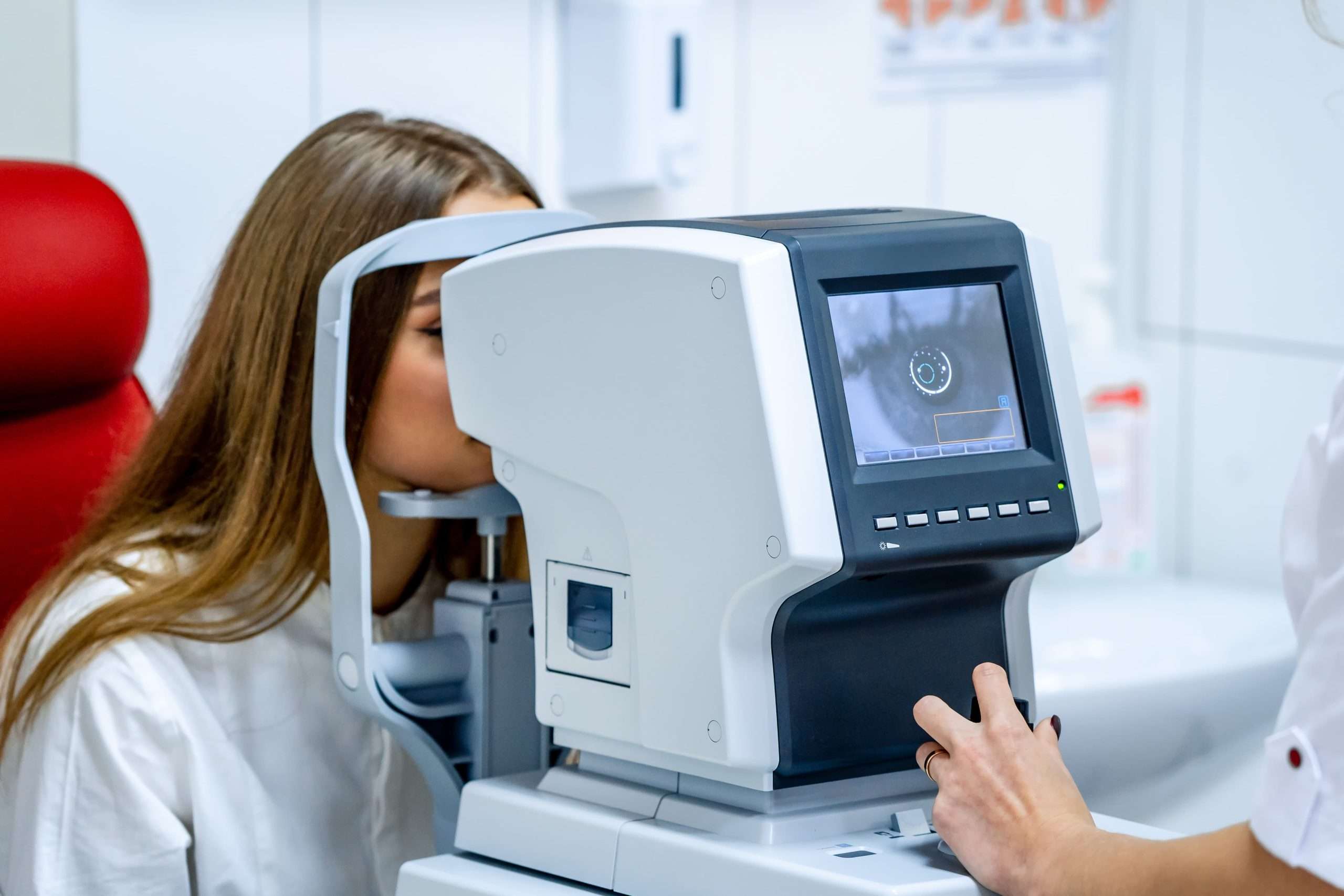
Why Diagnostics Matter More Than Procedure Hype
Good refractive surgery planning depends on diagnostics, not internet rankings or “best procedure” lists.
LASIK may be ideal for one patient while SMILE is more suitable for another.
- Corneal thickness matters
- Corneal shape matters
- Prescription range matters
- Dry eye profile matters
- Lifestyle and occupation matter
- Long-term goals matter
This is why responsible clinics perform detailed diagnostic assessment before approving treatment.
When SMILE Or LASIK May Be Discussed
Suitability is individual, but there are common situations where one procedure may be discussed more than the other.
SMILE May Be Discussed When
A patient wants a flap-free option, has suitable myopia, has lifestyle considerations, or dry eye is part of the discussion.
LASIK May Be Discussed When
A patient is suitable for flap-based surgery and wants a procedure with fast early recovery and broad treatment versatility.
PRK / LASEK May Be Discussed When
Surface laser may be more appropriate for thinner corneas or when flap-based treatment is less suitable.
Lens Replacement May Be Discussed When
Patients are aged 40+, have presbyopia, high prescriptions or may not be ideal laser eye surgery candidates.
Long-Term Considerations Patients Often Miss
Many comparison articles focus only on recovery speed. Long-term planning matters too.
Enhancement Planning
Enhancement pathways after SMILE may differ from LASIK and should be discussed before surgery.
Ageing Eyes
Neither procedure stops natural age-related changes such as presbyopia.
Regression Can Occur
Some prescriptions may partially regress over time regardless of procedure type.
No Procedure Is Perfect
All refractive surgery involves trade-offs, limitations and individual variability.
Newer Does Not Automatically Mean Better
One of the biggest misconceptions is assuming SMILE is automatically superior because it is newer technology.
LASIK Is Still Widely Performed
LASIK remains one of the most established and commonly performed refractive procedures worldwide.
SMILE Has Strengths
SMILE may offer advantages in selected patients depending on corneal and dry eye considerations.
Both Have Trade-Offs
Procedure choice should involve balancing recovery, biomechanics, treatment range and patient priorities.
Suitability Beats Marketing
The best procedure is the one most appropriate for your eyes after proper diagnostics.
SMILE vs LASIK Pricing In Turkey
LASIK – Both Eyes
£1,500–£3,500
Pricing depends on prescription, diagnostics, laser platform and treatment planning.
SMILE – Both Eyes
£1,500–£3,500
Pricing depends on technology platform, diagnostics and final suitability assessment.
Final procedure recommendation should be based on suitability rather than pricing alone.
SMILE vs LASIK FAQ
Is SMILE better than LASIK?
No procedure is automatically better. SMILE may be preferable for some patients, while LASIK may be more suitable for others depending on prescription, corneal measurements, dry eye profile and clinical assessment.
Is SMILE safer than LASIK?
Neither procedure is automatically safer for everyone. Safety depends on diagnostics, suitability, surgeon experience, corneal structure and overall eye health.
Does SMILE recover faster than LASIK?
Both procedures may recover quickly, but LASIK is often associated with very fast early visual recovery. SMILE recovery can also be quick, but healing varies between patients.
Why do some patients choose SMILE?
Some patients are interested in SMILE because it is flap-free, uses a small incision and is often discussed in relation to corneal biomechanics and dry eye considerations.
Why do some surgeons still prefer LASIK?
LASIK remains highly versatile with established outcomes and enhancement pathways for many prescription types.
Can both procedures treat astigmatism?
Depending on prescription and platform capability, both LASIK and SMILE may treat certain astigmatism profiles. Suitability must be confirmed clinically.
Can dry eye happen after both procedures?
Yes. Dry eye symptoms can occur after both LASIK and SMILE depending on the patient, eye surface health and healing response.
Which procedure is more modern?
SMILE is newer technology, but newer does not automatically mean better for every patient. The best procedure is the one most appropriate for your eyes.
Do you provide medical advice?
No. Turkey Laser Guide provides general information and coordination support only. Clinical decisions are made by licensed ophthalmologists.
Not Sure Whether SMILE Or LASIK May Suit You?
The right procedure is not the one marketed most aggressively — it is the one that fits your eyes.